




The Name of the Lord
S. M. Hutchens on the Third Commandment
I must begin by being sure that my hearers understand something that does not come naturally to people in our time, in our part of the world. For us, names, whether they be of people or things, tend to be thought of as merely symbolic. They stand for what is signified but are arbitrary or conventional. The thing or person is not conceived as existing in its name, but rather of “having” it. The writers of Scripture do not treat names, certainly the Name of God, in that way. The name stood for the person because it was a true appearance of the self for which it stood. When one uses the Name of God, one does not simply refer to him, but places himself, for good or ill, in communion with him. This is the first thing we must remember about the Name of God: God comes with it, and to speak the true Name of God is to call upon his very Self. Now we may begin on the Third Commandment:
You shall not take the Name of the Lord your God in vain, for the Lord will not hold him guiltless who takes his name in vain.
The commandments begin in the covenant, which is that the God who is the Lord, before whom there are no others, and who cannot be contained by man, even religious man, is both the Lord and the possession of his people. He has given them his Name, which is to say, his own Self, for the name not only stands for the self, but also the self, as we have said, is present and manifest in the name.
In this he has given us the privilege of not having to be religious, to seek him as if he were a lost or unknown God. Instead what he requires of us is righteousness: to love and obey the true God, whom we know, and may come to know better through obedience to his word. We dwell in and under the Name of God, and knowing him is our patrimonial privilege. We are to grow up with his Name upon our lips and his law in our hearts, coming to know him as a child comes to know the father into whose house he has been born. We do not need to be converted as though we were found wandering in darkness and needed to turn toward the light. Rather we dwell in the house of light, and the light of lights is upon us and falls upon all that we do.
Perhaps the greatest privilege, especially to those of us to whom the terrible shores of darkness have also been shown, is that of freedom from fear that the name upon which we call is not the Name of the one true God. It may not be that the answer we receive pleases us, or that we will be answered in our own time, but we still call upon him whom we know, whose life is within us, and in whose light we dwell. The confidence that the name upon which we call is the true Name of our God and Father, the one that calls upon his very person, is the greatest of gifts.
To call upon the Name of the Lord is to invoke his presence. This implies that he is not present to us in the same way at all times. There is a way in which God, who is always present, is not present at the same time—not necessarily because he is angry, or because of the separation caused by sin, but because he has made us gods with our own place of dominion. He made the place we live, and his power sustains it. He is present to all places and all times. But he has given us, made in his own image, the divine privilege of selfhood, and with it otherness from him. He does not invade this otherness without permission. He gives us, let us say, the privacy of our selfhood, and stands outside of it to see if its doors are opened, so that he may come in to us—not to usurp our dominion, but to order it fully within his and glorify it with his presence.
You will recall that the Lord told parables in which a Master set his servants in charge of things and then went away. The test was whether they would use what he had given them well or not. He did not interfere with them while they were doing it any more than the farmer constantly tinkers with the growing plant. He left them alone to grow, to become more like themselves, and to show fruit, good or bad. He does this with us all. He lets us be ourselves to see what kind of selves we will be, to see what we shall do with our freedom, to see whether we will call upon the Name of the Lord. Worship is the free opening of the human self to the Person of God, of calling upon his Name and thus allowing his chaste and lordly entrance into the reserved and holy place of the self.
But with our disobedience comes a terrible possibility, that we may take the Name of the Lord in vain, that is, in a useless way, in a way that is meaningless and in which there is no good. We may now say “God” or call the Name of one of the Holy Trinity without the intention of summoning the truth, of opening the door of our beings to his, and letting him be who he is with us. The best literary example of taking a name in vain I know is given by C. S. Lewis in his novel Perelandra. Here Satan has incarnated himself in the body of a famous physicist (who, in this form, is called the Un-man), and has traveled to a planet that is still unfallen. There he tries to tempt the Eve of that new world to sin after the manner of our own first mother. Ransom, the man who has been sent there to oppose the Un-man, encounters him while the lady is sleeping, and the creature calls his name:
“Ransom,” it said.
S. M. Hutchens is a senior editor and longtime writer for Touchstone.
A Journal of Mere Christianity—Delivered to Your Door
- Essays on theology, culture, and the Church
- Contributors from across the Christian traditions
Subscribe (Print + Online) 
Six print issues (one year) of Touchstone, plus full online access and PDF downloads for only $39.95.
Subscribe (Online Only) 
Get a one-year full-access subscription to the Touchstone online archives for only $19.95.
bulk subscriptions
Order Touchstone subscriptions in bulk and save $10 per sub! Each subscription includes 6 issues of Touchstone plus full online access to touchstonemag.com—including archives, videos, and pdf downloads of recent issues for only $29.95 each! Great for churches or study groups.
Transactions will be processed on a secure server.
more on the ten commandments from the online archives
31.5—September/October 2018
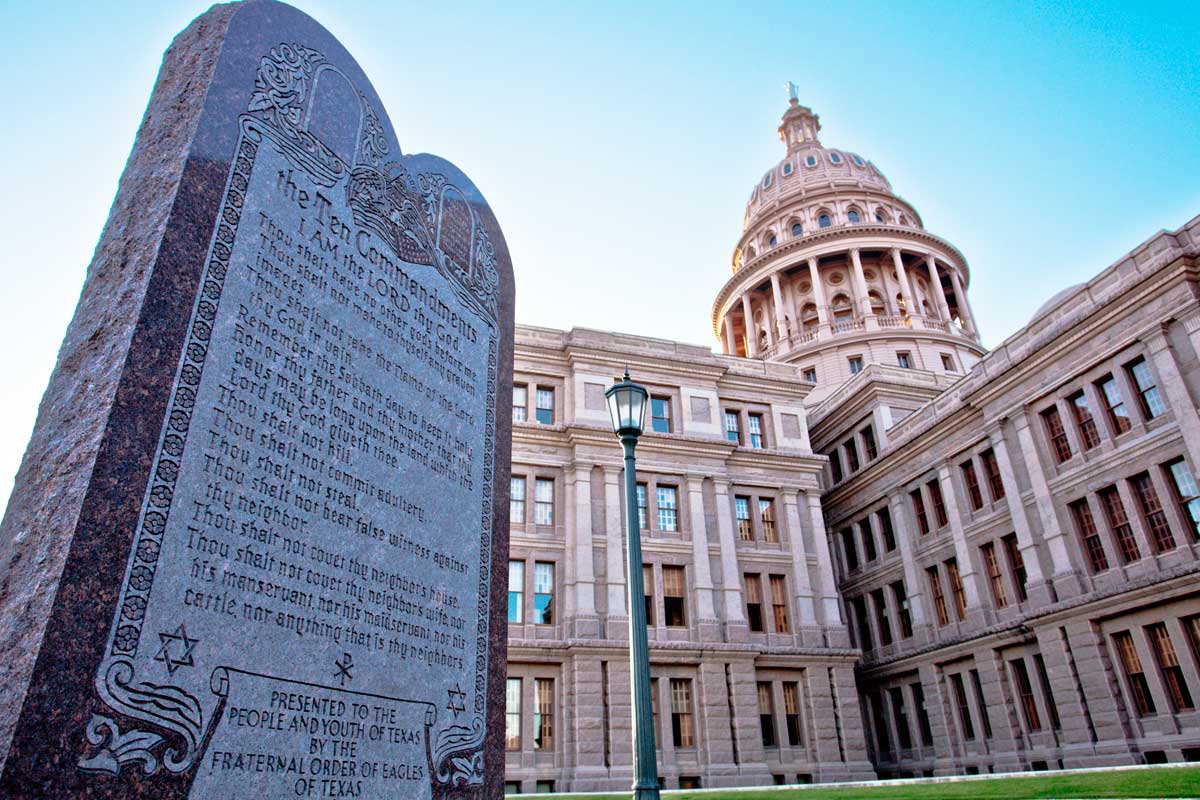
The Secular State Without the Decalogue by James M. Kushiner
more from the online archives
27.5—Sept/Oct 2014
The Culture of Death's Campaign Against the Catholic Church by Brantly Millegan
28.3—May/June 2015
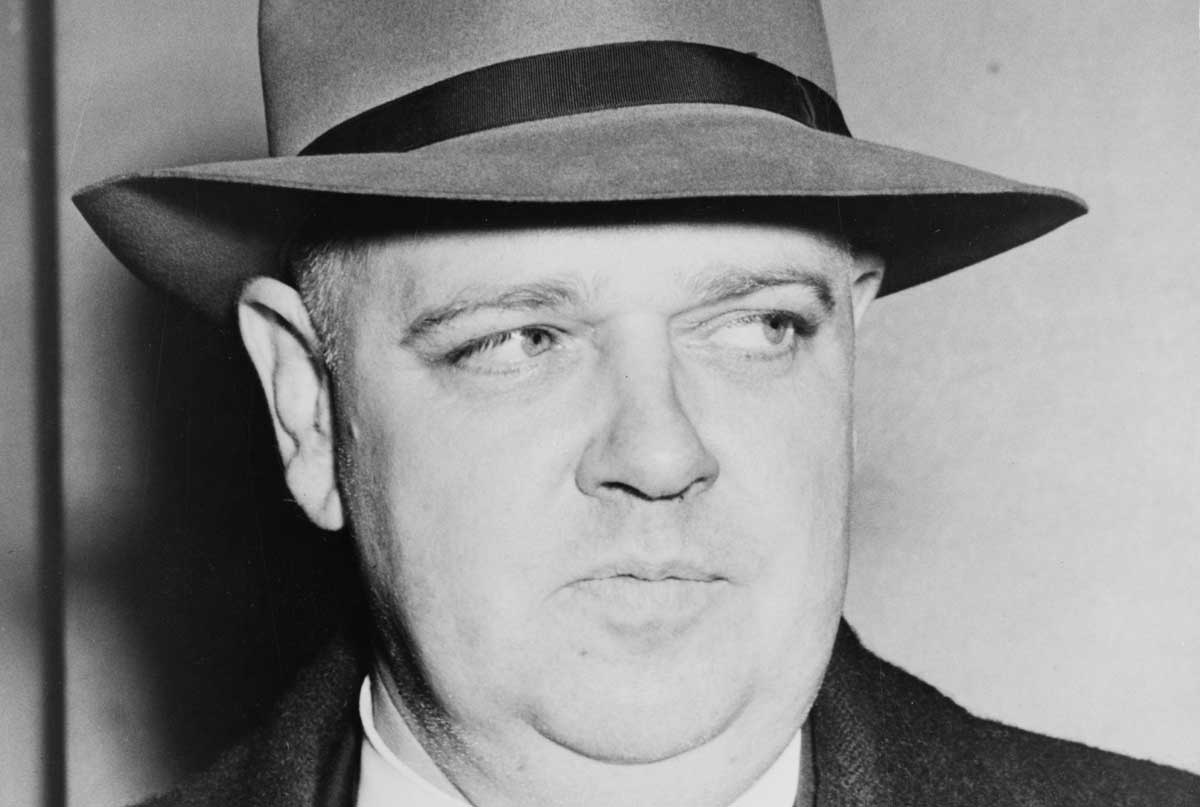
Whittaker Chambers's Lonely War Against Godless Collectivism by Hunter Baker
34.1—January/February 2021
What the World Needs Now It Hardly Knows by Anthony Esolen
calling all readers
Please Donate
"There are magazines worth reading but few worth saving . . . Touchstone is just such a magazine."
—Alice von Hildebrand"Here we do not concede one square millimeter of territory to falsehood, folly, contemporary sentimentality, or fashion. We speak the truth, and let God be our judge. . . . Touchstone is the one committedly Christian conservative journal."
Support Touchstone
—Anthony Esolen, Touchstone senior editor
