




Secular Polemics
The Stillborn God: Religion, Politics and the Modern West
by Mark Lill
Knopf, 2007
(334 pages, $26.00, hardcover)
reviewed by Mark Winter
Some books are actually two books, the one starkly at odds with the other until one emerges scarred but victorious. Mark Lilla’s The Stillborn God is such a book: a stimulating if very general history of ideas that careens into broad polemic, but instructive for its failures as well as its merits.
THIS ARTICLE ONLY AVAILABLE TO SUBSCRIBERS.
FOR QUICK ACCESS:
A Journal of Mere Christianity—Delivered to Your Door
- Essays on theology, culture, and the Church
- Contributors from across the Christian traditions

Six print issues (one year) of Touchstone, plus full online access and PDF downloads for only $39.95.

Get a one-year full-access subscription to the Touchstone online archives for only $19.95.
bulk subscriptions
Order Touchstone subscriptions in bulk and save $10 per sub! Each subscription includes 6 issues of Touchstone plus full online access to touchstonemag.com—including archives, videos, and pdf downloads of recent issues for only $29.95 each! Great for churches or study groups.
Transactions will be processed on a secure server.
more from the online archives
19.10—December 2006
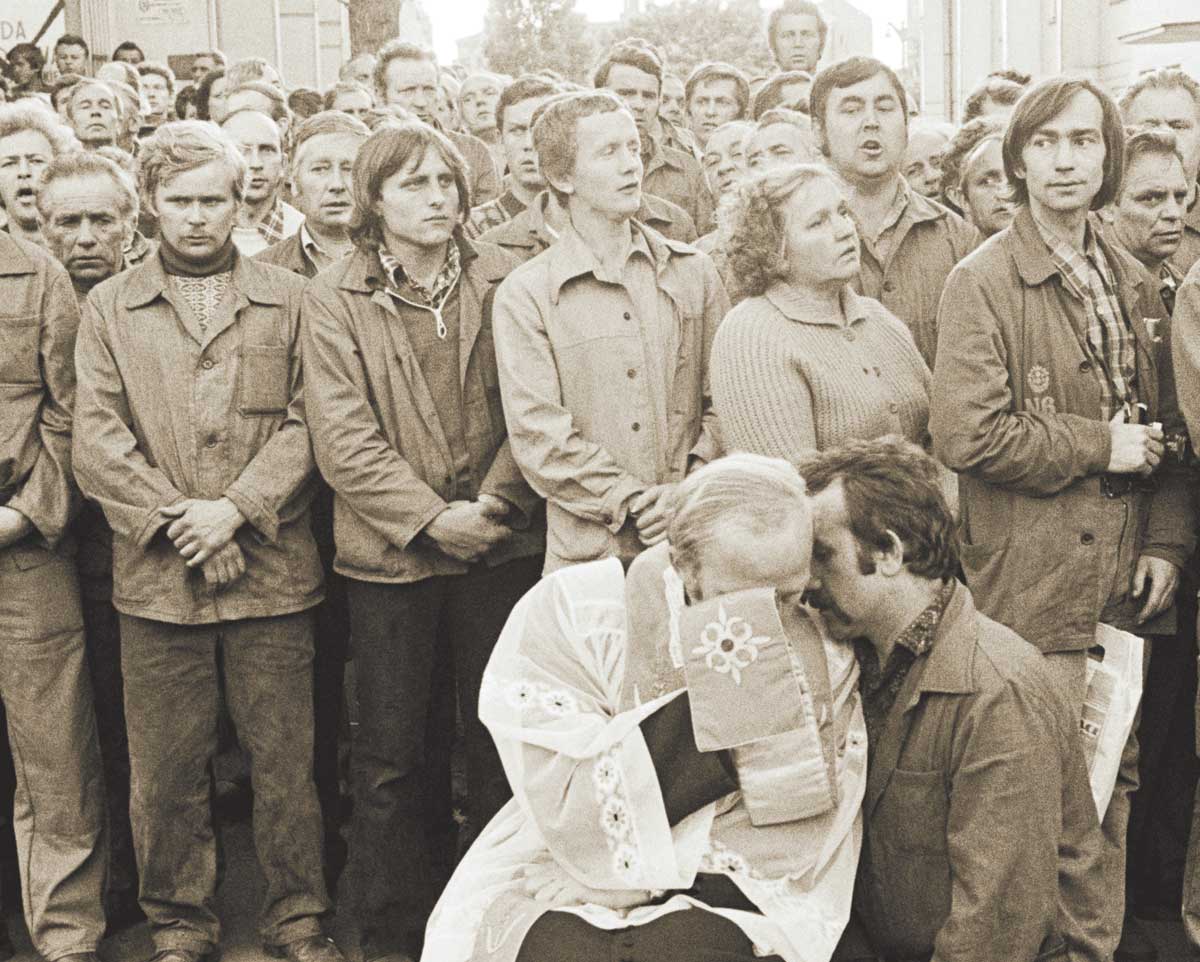
Workers of Another World United
A Personal Commemoration of Poland’s Solidarity 25 Years Later by John Harmon McElroy
33.1—January/February 2020
on a Saint's Charism That Cures Toxic Perfectionism by Colleen Carroll Campbell
29.2—March/April 2016
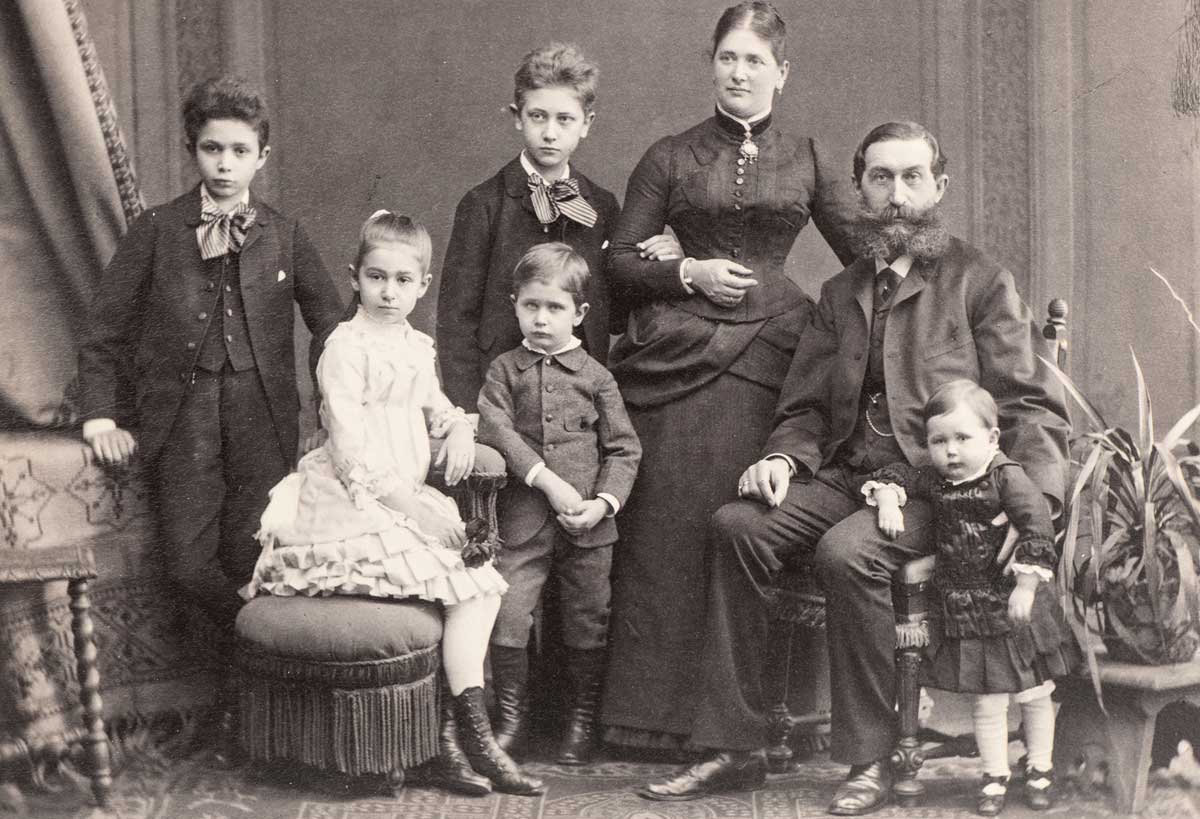
The History of Family Strength in America May Reveal Good News by Allan C. Carlson
calling all readers
Please Donate
"There are magazines worth reading but few worth saving . . . Touchstone is just such a magazine."
—Alice von Hildebrand
"Here we do not concede one square millimeter of territory to falsehood, folly, contemporary sentimentality, or fashion. We speak the truth, and let God be our judge. . . . Touchstone is the one committedly Christian conservative journal."
—Anthony Esolen, Touchstone senior editor
