




A Habitable World
Lance Nixon on Down Syndrome & the Wisdom of God
The Icelandic poet and author Sjón won the Nordic Council’s Literature Prize in 2005 for his novel Skugga-Baldur, translated into English as The Blue Fox, and probably he deserves it. Skugga-Baldur is a quick gallop of a yarn that makes use of the traditional Icelandic theme of the shape-shifter in lean, laconic prose.
There may actually be two shape-shifters at work here—one as a device in the story, and one in the way science is transformed under Sjón’s hands into a benevolent, almost moral force for good that affirms human worth.
Set in Iceland in the nineteenth century, Skugga-Baldur involves a young woman with Down syndrome and two men in her life: Fridrik B. Fridjonsson, a man of science who befriends and values her; and the local minister, the Reverend Baldur Skuggason, who treats her with contempt, as though she’s less than human. As the book ends, Fridjonsson is writing a letter to a friend in Denmark, explaining the sad history of his Down syndrome friend and her treatment at the hands of Skuggason. He signs that letter, “Your affectionate friend and confidant on the limits of ‘the habitable world.’”
Alien Territory
Sjón’s name means something like “sight,” but he has overlooked the obvious here: In our day, it is people of faith, not people of science, who are interested in living at what is, in some sense, the limit of the habitable world—that is, side by side with people who have Down syndrome.
This is not to say that there are not scientists who have Down syndrome children or who demonstrate in various ways their care for people with intellectual disabilities. But it is also undeniable that it is science, not religion, that has given society the tools to determine if an unborn child has Down syndrome, with the predictable consequence that most of those fetuses are aborted. A systematic review of abortion rates following a diagnosis of one of five medical conditions (published in 1999 in the journal Prenatal Diagnosis) showed that the rate was highest for unborn babies diagnosed with Down syndrome, over ninety percent of whom are aborted.
One could argue that, as far as modern science and medicine are concerned, the limits of the habitable world lie not in Iceland, or any other geographical place, but in the condition of being “normal,” of having fairly ordinary features and intelligence. The condition of having Down syndrome is alien territory, apparently beyond the limits where people can reasonably be expected to live valuable, productive lives.
To be fair to Sjón, there is another Christian minister in his story who is not as cruel as the Reverend Baldur. Nor are we told in so many words what Fridjonsson thinks about the Christian faith, or that he sees himself in opposition to it. In fact, one could argue that in his compassion for people with intellectual disabilities, he is simply reflecting ancient Christian ideas on the worth of the individual—ideas expressed in the writings of such figures as Tertullian, Origen, and Paul. Perhaps more to the point, Christian thinkers in the present day are generating new texts reaffirming one of the themes in Sjón’s novel—that life in community with disabled people is not only possible, but beautiful and enriching.
The Medicalized View
For example, Baylor University Press in 2007 published the theologian Amos Yong’s book, Theology and Down Syndrome: Reimagining Disability in Late Modernity. It is an important work of theology that takes both the culture and the Church to task for having a too-limited—one might say handicapped—view of people with intellectual disabilities.
Lance Nixon is a freelance writer based in Pierre, South Dakota, where he attends virtual services of New Life Assembly of God Church and also visits Trinity Episcopal Church virtually. He is also a fiction writer, and his latest stories about the Great Plains appeared in the November 2020 and November 2019 issues of Gray's Sporting Journal.
A Journal of Mere Christianity—Delivered to Your Door
- Essays on theology, culture, and the Church
- Contributors from across the Christian traditions

Six print issues (one year) of Touchstone, plus full online access and PDF downloads for only $39.95.

Get a one-year full-access subscription to the Touchstone online archives for only $19.95.
bulk subscriptions
Order Touchstone subscriptions in bulk and save $10 per sub! Each subscription includes 6 issues of Touchstone plus full online access to touchstonemag.com—including archives, videos, and pdf downloads of recent issues for only $29.95 each! Great for churches or study groups.
Transactions will be processed on a secure server.
more from the online archives
24.2—March/April 2011
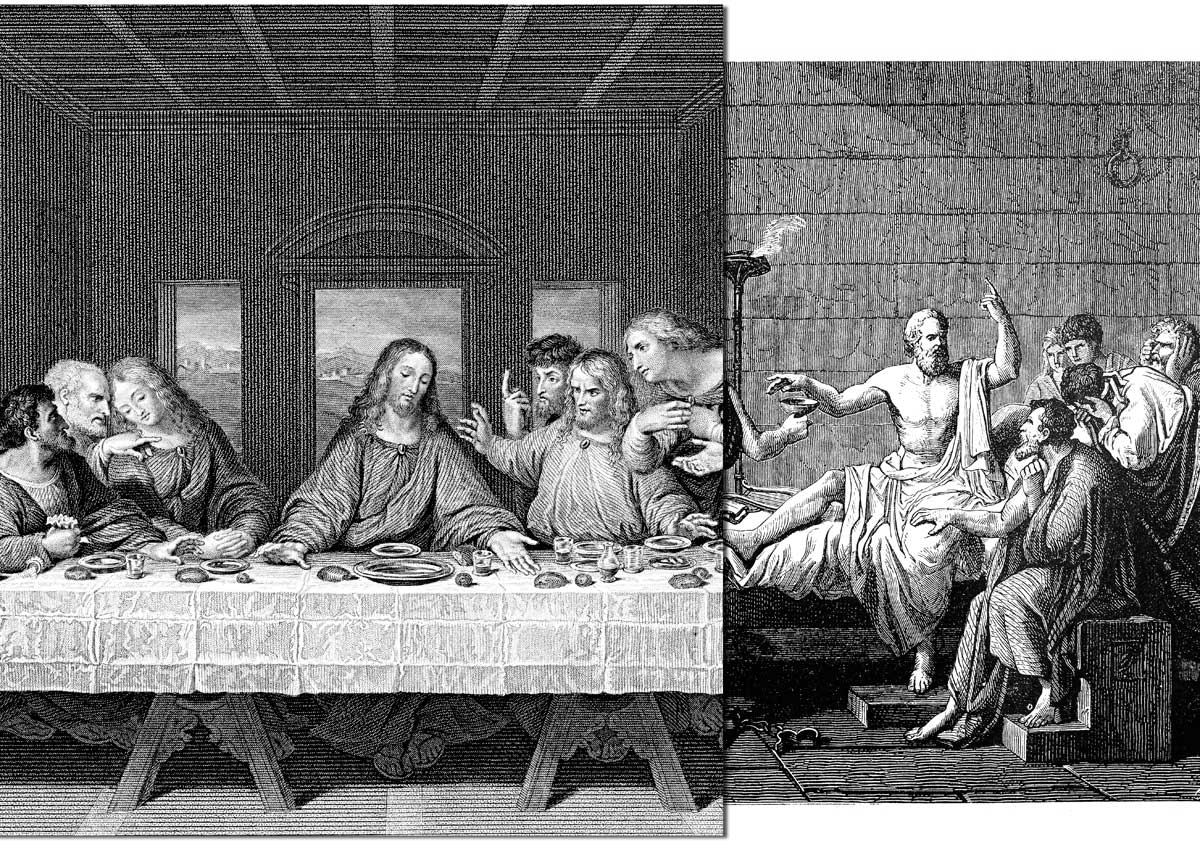
Certain Death & the Last Lectures of Socrates & Jesus by Randall B. Smith
29.3—May/June 2016
Our Choice Is Obedience or Jesus as Anti-Christ by Anthony Esolen
28.5—Sept/Oct 2015
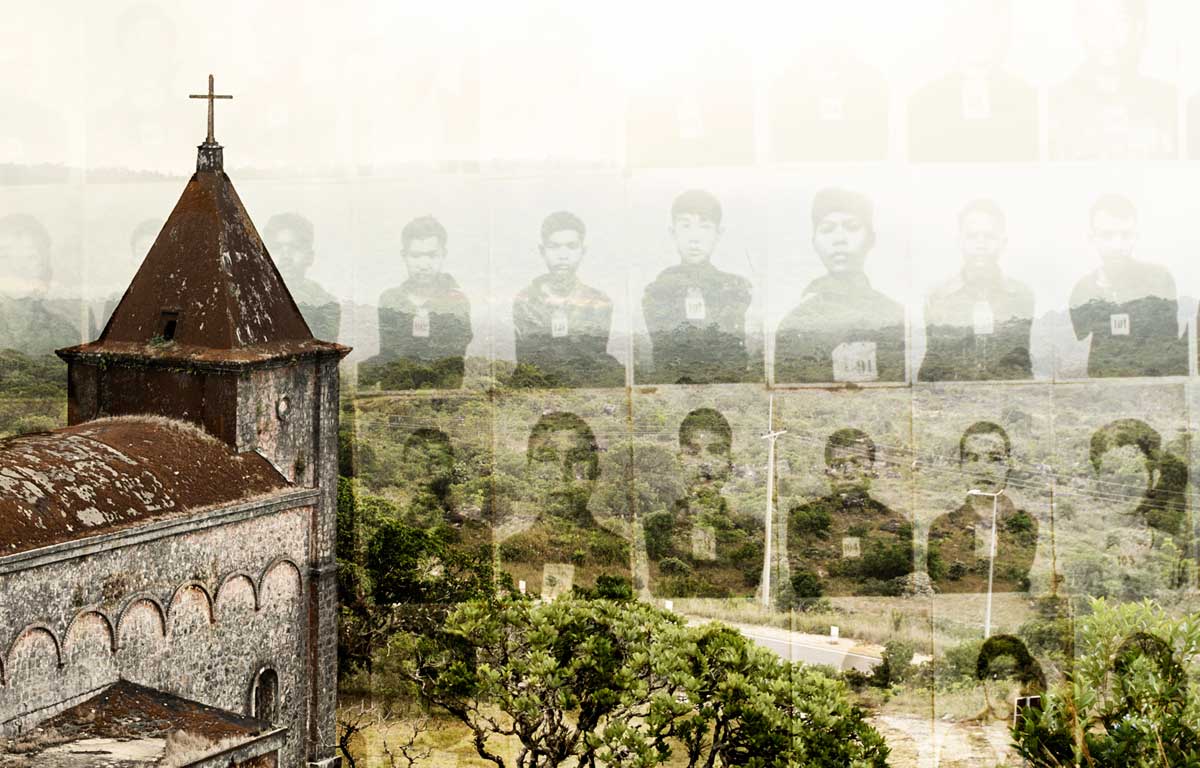
Remembering Angka & the Idolatry of the Khmer Rouge 40 Years Later by Les Sillars
calling all readers
Please Donate
"There are magazines worth reading but few worth saving . . . Touchstone is just such a magazine."
—Alice von Hildebrand
"Here we do not concede one square millimeter of territory to falsehood, folly, contemporary sentimentality, or fashion. We speak the truth, and let God be our judge. . . . Touchstone is the one committedly Christian conservative journal."
—Anthony Esolen, Touchstone senior editor
