





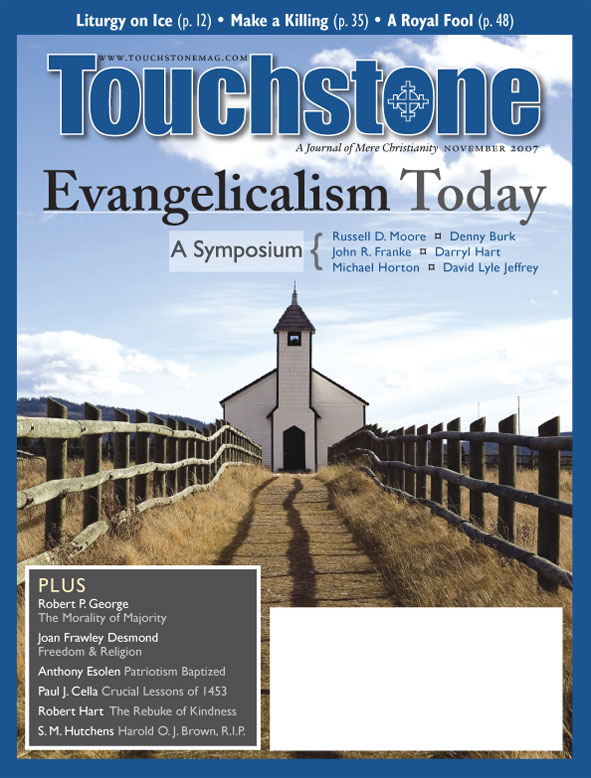
Byzantium Yet Fallen
The Critical Lessons for Christians in the Long Shadow of 1453
by Paul J. Cella III
Round about five and a half centuries ago, the Roman Empire was at last extinguished. By then the Empire was, of course, Greek, not Roman; Christian, not pagan; and no longer strong, but pitifully weak. Dispossessed of all of its Anatolian and Asian provinces, and most of its European ones, all that remained was the great city of Constantinople, much of which was reduced by privation, disease, and depopulation to overgrown ruins.
THIS ARTICLE ONLY AVAILABLE TO SUBSCRIBERS.
FOR QUICK ACCESS:
Paul J. Cella III is a writer living in Atlanta, Georgia, and editor of the website Cella's Review ( www.cellasreview.blogspot.com).
subscription options
Order
Print/Online Subscription

Get six issues (one year) of Touchstone PLUS full online access including pdf downloads for only $39.95. That's only $3.34 per month!
Order
Online Only
Subscription

Get a one-year full-access subscription to the Touchstone online archives for only $19.95. That's only $1.66 per month!
bulk subscriptions
Order Touchstone subscriptions in bulk and save $10 per sub! Each subscription includes 6 issues of Touchstone plus full online access to touchstonemag.com—including archives, videos, and pdf downloads of recent issues for only $29.95 each! Great for churches or study groups.
Transactions will be processed on a secure server.
more on history from the online archives

28.3—May/June 2015
Whittaker Chambers's Lonely War Against Godless Collectivism by Hunter Baker
15.6—July/August 2002
Things Hidden Since the Beginning of the World
The Shape of Divine Providence & Human History by James Hitchcock
14.6—July/August 2001
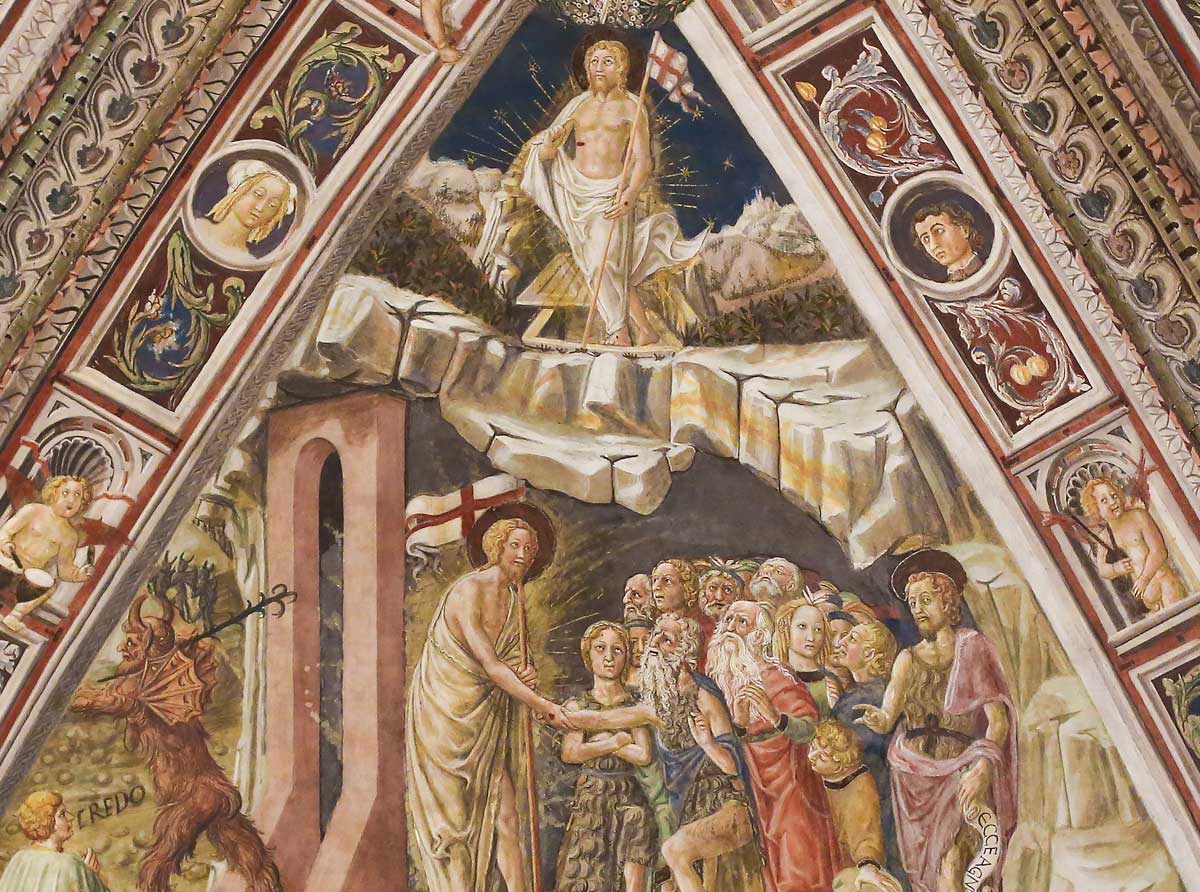
The Transformed Relics of the Fall
on the Fulfillment of History in Christ by Patrick Henry Reardon
more from the online archives
25.3—May/Jun 2012
Calls for Freedom, Democracy & Secularism End Up with None of the Above by Hunter Baker

33.1—January/February 2020
Do You Know Your Child’s Doctor?
The Politicization of Pediatrics in America by Alexander F. C. Webster
31.5—September/October 2018
Errands into the Moral Wilderness
Forms of Christian Family Witness & Renewal by Allan C. Carlson
calling all readers
Please Donate
"There are magazines worth reading but few worth saving . . . Touchstone is just such a magazine."
—Alice von Hildebrand
"Here we do not concede one square millimeter of territory to falsehood, folly, contemporary sentimentality, or fashion. We speak the truth, and let God be our judge. . . . Touchstone is the one committedly Christian conservative journal."
—Anthony Esolen, Touchstone senior editor
