





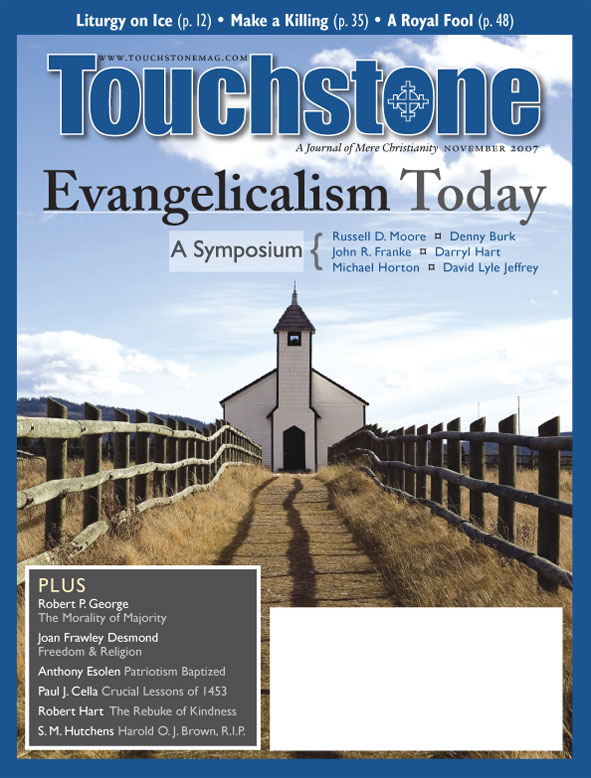
View
Morality of Majority
Robert P. George on Democracy as a Limited Means and Not an End
Religious faith is a hot topic these days among liberal political philosophers and constitutional theorists, but not because they’ve gotten religion. They are, for the most part, as doggedly secular as ever. They are worried about the “bounds of accommodation” of religious faith and practice in a democratic polity.
They ask: How much room for the free exercise of religion should a properly constituted democratic order allow? When, or under what circumstances, does religion in general or particular religions or religious institutions and practices pose a threat to democratic principles and institutions, or to other values served or protected by democratic rule?
THIS ARTICLE ONLY AVAILABLE TO SUBSCRIBERS.
FOR QUICK ACCESS:
Robert P. George is McCormick Professor of Jurisprudence and Director of the James Madison Program in American Ideals and Institutions at Princeton University (web.princeton.edu/sites/jmadison). His books include In Defense of Natural Law (Oxford University Press) and Conscience and Its Enemies (ISI Books). He has served as chairman of the U.S. Commission on International Religious Freedom. He is a senior editor of Touchstone.
subscription options
Order
Print/Online Subscription

Get six issues (one year) of Touchstone PLUS full online access including pdf downloads for only $39.95. That's only $3.34 per month!
Order
Online Only
Subscription

Get a one-year full-access subscription to the Touchstone online archives for only $19.95. That's only $1.66 per month!
bulk subscriptions
Order Touchstone subscriptions in bulk and save $10 per sub! Each subscription includes 6 issues of Touchstone plus full online access to touchstonemag.com—including archives, videos, and pdf downloads of recent issues for only $29.95 each! Great for churches or study groups.
Transactions will be processed on a secure server.
more from the online archives
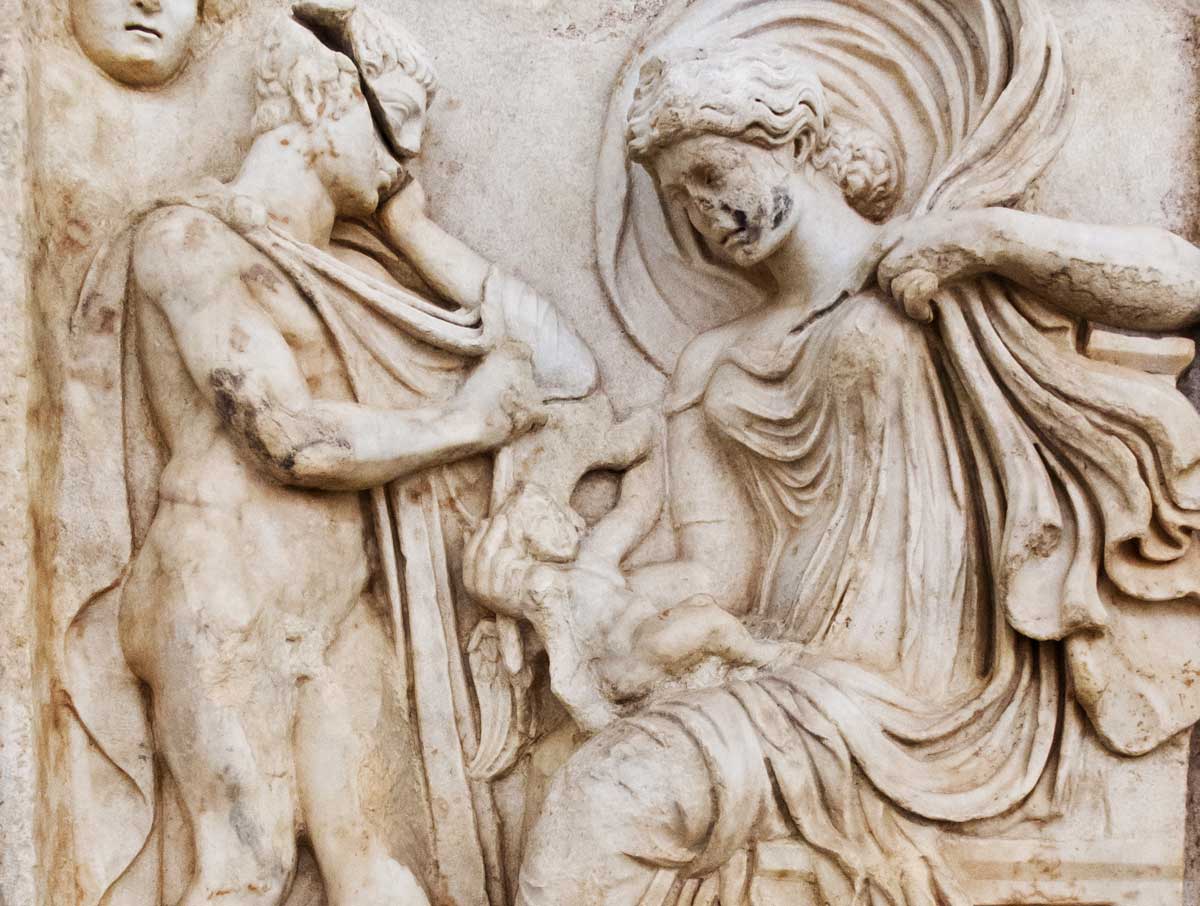
27.2—March/April 2014
on C. S. Lewis & the New State Paganism by W. E. Knickerbocker
calling all readers
Please Donate
"There are magazines worth reading but few worth saving . . . Touchstone is just such a magazine."
—Alice von Hildebrand
"Here we do not concede one square millimeter of territory to falsehood, folly, contemporary sentimentality, or fashion. We speak the truth, and let God be our judge. . . . Touchstone is the one committedly Christian conservative journal."
—Anthony Esolen, Touchstone senior editor
