




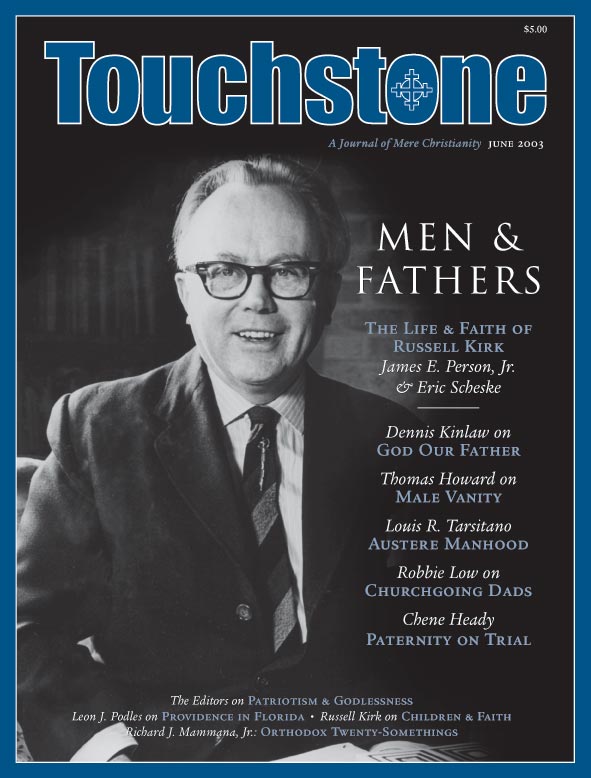
Being Forgotten
Thomas Howard on Male Vanity
I awoke this morning, that is to say, 45 minutes ago, from a dream. Scarcely a Bunyanesque dream, let us hurry to assure everyone. I was at the Hicksite Quaker Meeting at Friends’ School in Moorestown, New Jersey, where I had grown up and gone to school. The time was the present, and I had been gone for 50 years (I left home for boarding school in 1950).
The meeting had been updated, however—like these churches that use movie screens instead of hymnals. There was a brisk conviviality in the ethos not traditional at Quaker Meetings. People nattered away the whole time, even when someone stood up to speak. George Fox, readers will remember, had had the idea that the paradigm for church order, and for the order of public gatherings, was best found by leaving everyone free, upon being “moved by the Spirit,” to stand up and share something. It is to be noted here that “share” was not a seventeenth-century word.
THIS ARTICLE ONLY AVAILABLE TO SUBSCRIBERS.
FOR QUICK ACCESS:
Thomas Howard taught for many years at St. John's Seminary College, the Roman Catholic seminary of the archdiocese of Boston. Among his many works are the books Christ the Tiger, Evangelical Is Not Enough, Lead Kindly Light, On Being Catholic, and The Secret of New York Revealed, and a videotape series of 13 lectures on "The Treasures of Catholicism" (all from Ignatius Press).
subscription options
Order
Print/Online Subscription

Get six issues (one year) of Touchstone PLUS full online access including pdf downloads for only $39.95. That's only $3.34 per month!
Order
Online Only
Subscription

Get a one-year full-access subscription to the Touchstone online archives for only $19.95. That's only $1.66 per month!
bulk subscriptions
Order Touchstone subscriptions in bulk and save $10 per sub! Each subscription includes 6 issues of Touchstone plus full online access to touchstonemag.com—including archives, videos, and pdf downloads of recent issues for only $29.95 each! Great for churches or study groups.
Transactions will be processed on a secure server.
more from the online archives
24.1—January/February 2011
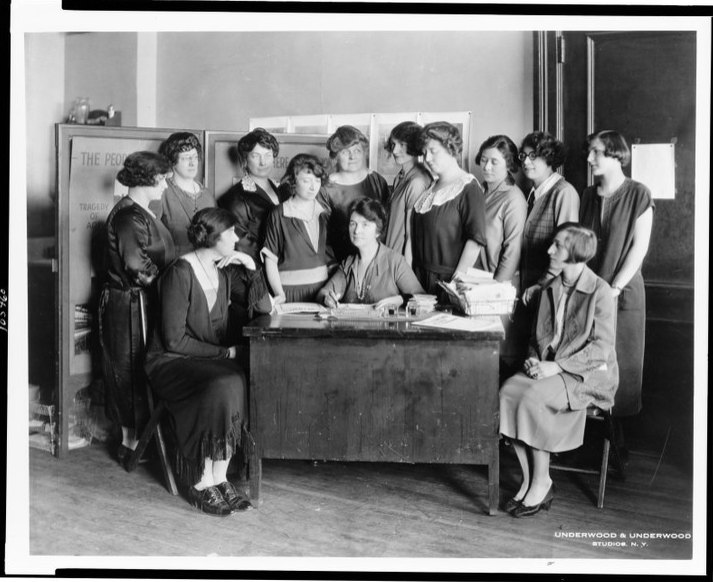
How Planned Parenthood's Founder Played the Christians, and Won by Allan C. Carlson
24.5—Sept/Oct 2011
A Critical Memoir of Thomas Merton at Gethsemani Abbey by Patrick Henry Reardon
calling all readers
Please Donate
"There are magazines worth reading but few worth saving . . . Touchstone is just such a magazine."
—Alice von Hildebrand
"Here we do not concede one square millimeter of territory to falsehood, folly, contemporary sentimentality, or fashion. We speak the truth, and let God be our judge. . . . Touchstone is the one committedly Christian conservative journal."
—Anthony Esolen, Touchstone senior editor
