Looking Beyond Ourselves
And behold, a certain lawyer stood up and tested him, saying, “Teacher, what shall I do to inherit eternal life?” He said to him, “What is written in the law? What is your reading of it?” So he answered and said, “You shall love the Lord your God with all your heart, with all your soul, with all your strength, and with all your mind, and your neighbor as yourself.” And he said to him, “You have answered rightly; do this and you will live.”
But he, wanting to justify himself, said to Jesus, “And who is my neighbor?”
—Luke 10:25–29
In the parable of the Good Samaritan, there were two people who, upon seeing the half-dead man on the side of the road, passed by on the other side. One was a priest and the other was a Levite. Although it is certainly true that they were acting callously, it could also be that they were overzealous for keeping the law. In Lev. 21:1 we read that clergy were not allowed to defile themselves by touching a dead body. A priest or Levite, seeing a man who looked to be dead lying on the side of the road, might not wish to take the chance that he was, in fact, dead. This could be a matter of having meticulous concern not to violate the law. Of course, that would hardly make him a good neighbor.
When my daughter was young, her mother and I taught her to make the sign of the cross over her body when she prayed. The reason for this ancient practice, we told her, was to remember that cross stained by blessed blood when Christ our Savior died. We told her that she should identify with that cross when she prayed and that, by crossing herself, she should be reminded that she too must take up her cross daily. Furthermore we told her that she should never be ashamed of that life-giving cross because it is the great symbol of our faith.
THIS ARTICLE ONLY AVAILABLE TO SUBSCRIBERS.
FOR QUICK ACCESS:
Thomas S. Buchanan is the George W. Laird Professor of Mechanical Engineering and Biomedical Engineering at the University of Delaware. He has studied at UCSD, Northwestern University, and MIT, and has held visiting professorships at the University of Western Australia and the University of Aix-Marseille. He has served as department chairman, deputy dean, and institute director, president of the American Society of Biomechanics, and editor-in-chief of the Journal of Applied Biomechanics. He is on the Board of Trustees of Saint Katherine College, the editorial board of Touchstone, and the board of The Fellowship of St. James.
subscription options
Order
Print/Online Subscription

Get six issues (one year) of Touchstone PLUS full online access including pdf downloads for only $39.95. That's only $3.34 per month!
Order
Online Only
Subscription

Get a one-year full-access subscription to the Touchstone online archives for only $19.95. That's only $1.66 per month!
bulk subscriptions
Order Touchstone subscriptions in bulk and save $10 per sub! Each subscription includes 6 issues of Touchstone plus full online access to touchstonemag.com—including archives, videos, and pdf downloads of recent issues for only $29.95 each! Great for churches or study groups.
Transactions will be processed on a secure server.
more from the online archives

33.3—May/June 2020
on the Wisdom of the Good Doctor Edmund Pellegrino by Allen H. Roberts II
31.5—September/October 2018
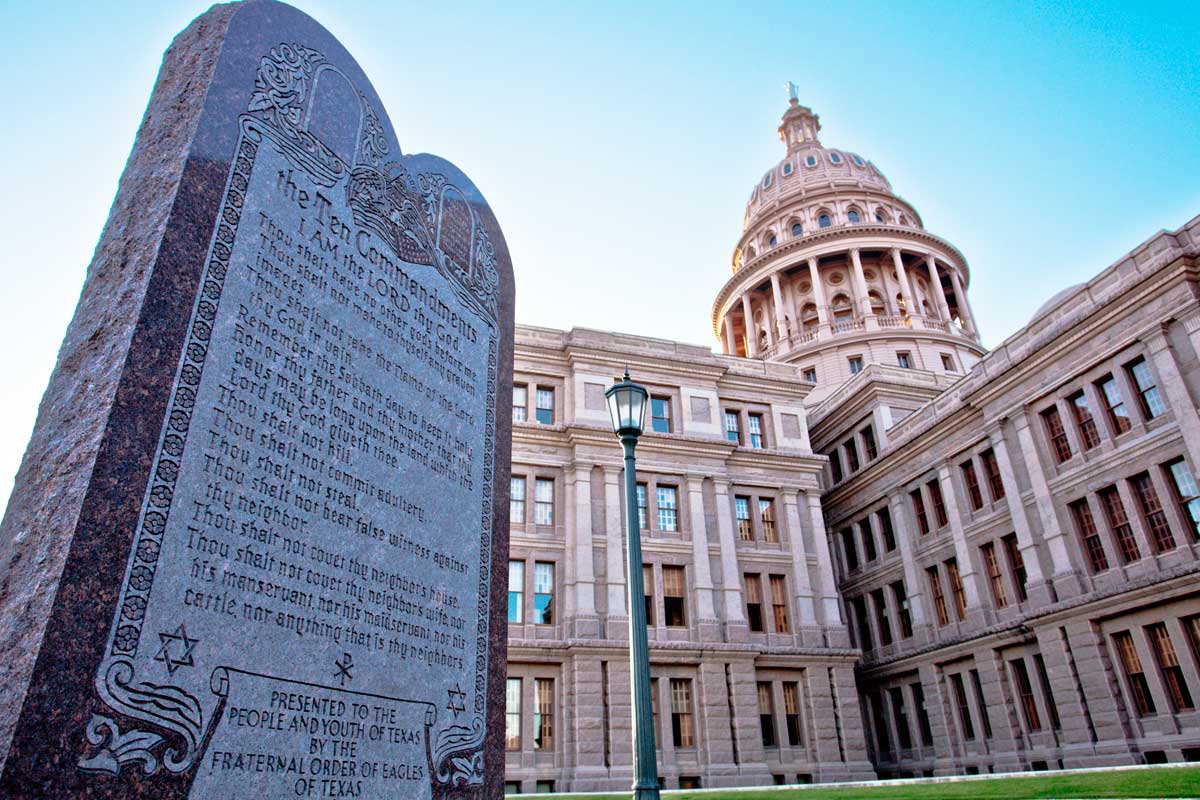
The Secular State Without the Decalogue by James M. Kushiner
28.5—Sept/Oct 2015
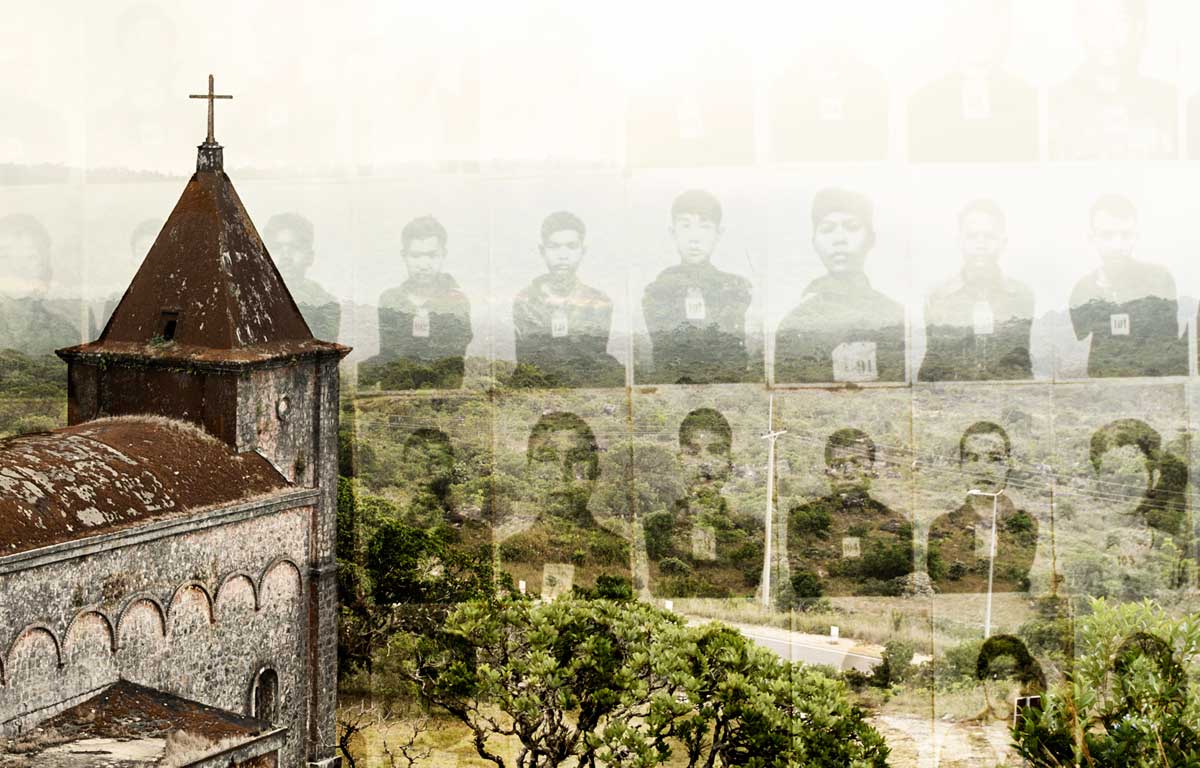
Remembering Angka & the Idolatry of the Khmer Rouge 40 Years Later by Les Sillars
calling all readers
Please Donate
"There are magazines worth reading but few worth saving . . . Touchstone is just such a magazine."
—Alice von Hildebrand
"Here we do not concede one square millimeter of territory to falsehood, folly, contemporary sentimentality, or fashion. We speak the truth, and let God be our judge. . . . Touchstone is the one committedly Christian conservative journal."
—Anthony Esolen, Touchstone senior editor