




At Loose Ends
Remarriage After Divorce In Today’s Church: Three Views
edited by Mark Strauss
Zondervan, 2006
(161 pages, $14.99, paperback)
reviewed by Russell D. Moore
Almost without exception, every contemporary church leader must contend with the issue of divorce and remarriage. This doesn’t simply mean one must think through the issue in the abstract, how to preach the “exception clause” when moving through an expository sermon series on Matthew.
THIS ARTICLE ONLY AVAILABLE TO SUBSCRIBERS.
FOR QUICK ACCESS:
Russell D. Moore is president of the Ethics and Religious Liberty Commission of the Southern Baptist Convention. He is a senior editor of Touchstone.
A Journal of Mere Christianity—Delivered to Your Door
- Essays on theology, culture, and the Church
- Contributors from across the Christian traditions

Six print issues (one year) of Touchstone, plus full online access and PDF downloads for only $39.95.

Get a one-year full-access subscription to the Touchstone online archives for only $19.95.
bulk subscriptions
Order Touchstone subscriptions in bulk and save $10 per sub! Each subscription includes 6 issues of Touchstone plus full online access to touchstonemag.com—including archives, videos, and pdf downloads of recent issues for only $29.95 each! Great for churches or study groups.
Transactions will be processed on a secure server.
more on marriage from the online archives

28.1—January/February 2015
on State Impositions & Church Acquiescence by Stephen Baskerville
21.1—January/February 2008
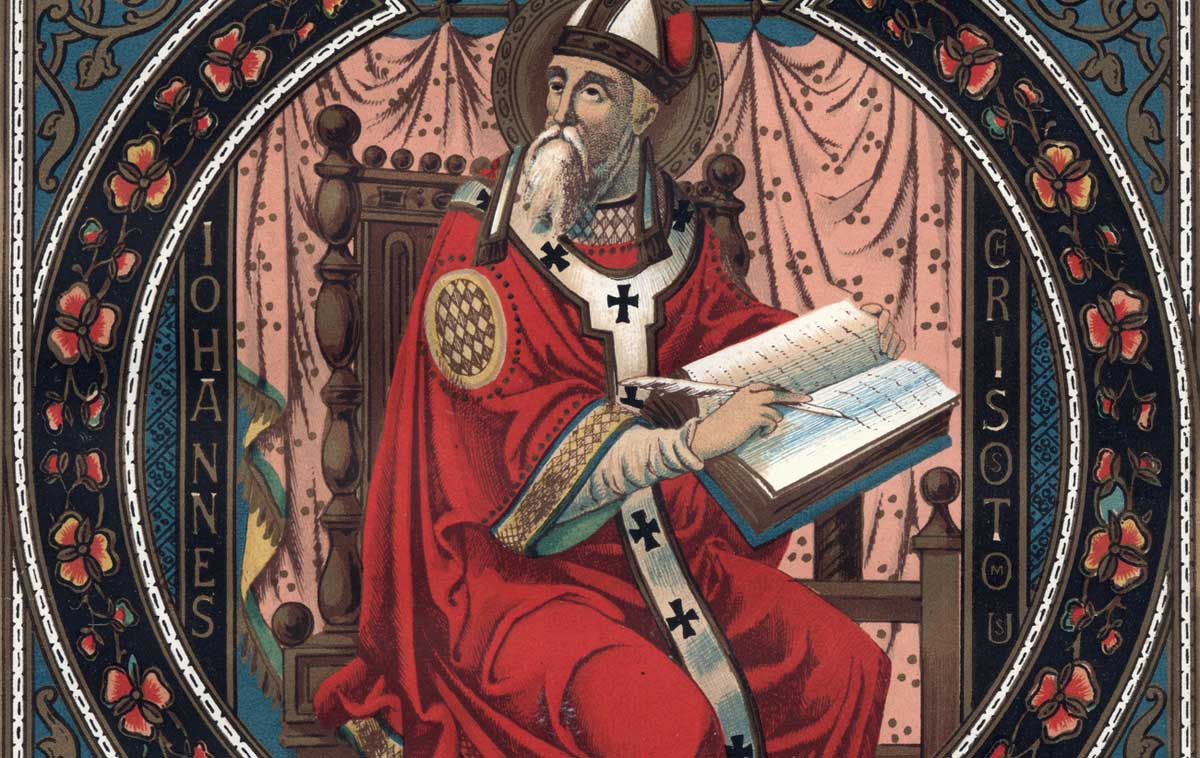
John Chrysostom’s Discovery of the Blessings & Mysteries of Marriage by Mike Aquilina

more from the online archives

25.4—July/August 2012
The Corrosive & Far-Reaching Fallout of the Sexual Revolution by Anthony Esolen
30.2—March/April 2017
Our Path to Holiness Runs Straight Through Calvary by Robin Phillips

14.6—July/August 2001
Three Bad Ideas for Women & What to Do About Them by Frederica Mathewes-Green
calling all readers
Please Donate
"There are magazines worth reading but few worth saving . . . Touchstone is just such a magazine."
—Alice von Hildebrand
"Here we do not concede one square millimeter of territory to falsehood, folly, contemporary sentimentality, or fashion. We speak the truth, and let God be our judge. . . . Touchstone is the one committedly Christian conservative journal."
—Anthony Esolen, Touchstone senior editor
