




Nothing Is Sinful
“So because you are lukewarm, and neither hot nor cold, I will spit you out of my mouth.”
—Revelation 3:16
The “Harp of the Holy Spirit” was the nickname given to the fourth-century poet-saint Ephrem the Syrian. Gregory of Nyssa compared him to the River Euphrates because he “irrigated by his waters the Christian community to bring forth fruits of faith a hundred-fold.” Ephrem was declared a doctor of the church by Pope Benedict XV and is especially known by all Orthodox Christians for a prayer he wrote that is recited often during the season of Lent:
O Lord and Master of my life, take from me the spirit of sloth, faint-heartedness, lust of power, and idle talk. . . .
THIS ARTICLE ONLY AVAILABLE TO SUBSCRIBERS.
FOR QUICK ACCESS:
Thomas S. Buchanan is the George W. Laird Professor of Mechanical Engineering and Biomedical Engineering at the University of Delaware. He has studied at UCSD, Northwestern University, and MIT, and has held visiting professorships at the University of Western Australia and the University of Aix-Marseille. He has served as department chairman, deputy dean, and institute director, president of the American Society of Biomechanics, and editor-in-chief of the Journal of Applied Biomechanics. He is on the Board of Trustees of Saint Katherine College, the editorial board of Touchstone, and the board of The Fellowship of St. James.
A Journal of Mere Christianity—Delivered to Your Door
- Essays on theology, culture, and the Church
- Contributors from across the Christian traditions

Six print issues (one year) of Touchstone, plus full online access and PDF downloads for only $39.95.

Get a one-year full-access subscription to the Touchstone online archives for only $19.95.
bulk subscriptions
Order Touchstone subscriptions in bulk and save $10 per sub! Each subscription includes 6 issues of Touchstone plus full online access to touchstonemag.com—including archives, videos, and pdf downloads of recent issues for only $29.95 each! Great for churches or study groups.
Transactions will be processed on a secure server.
more from the online archives
14.6—July/August 2001
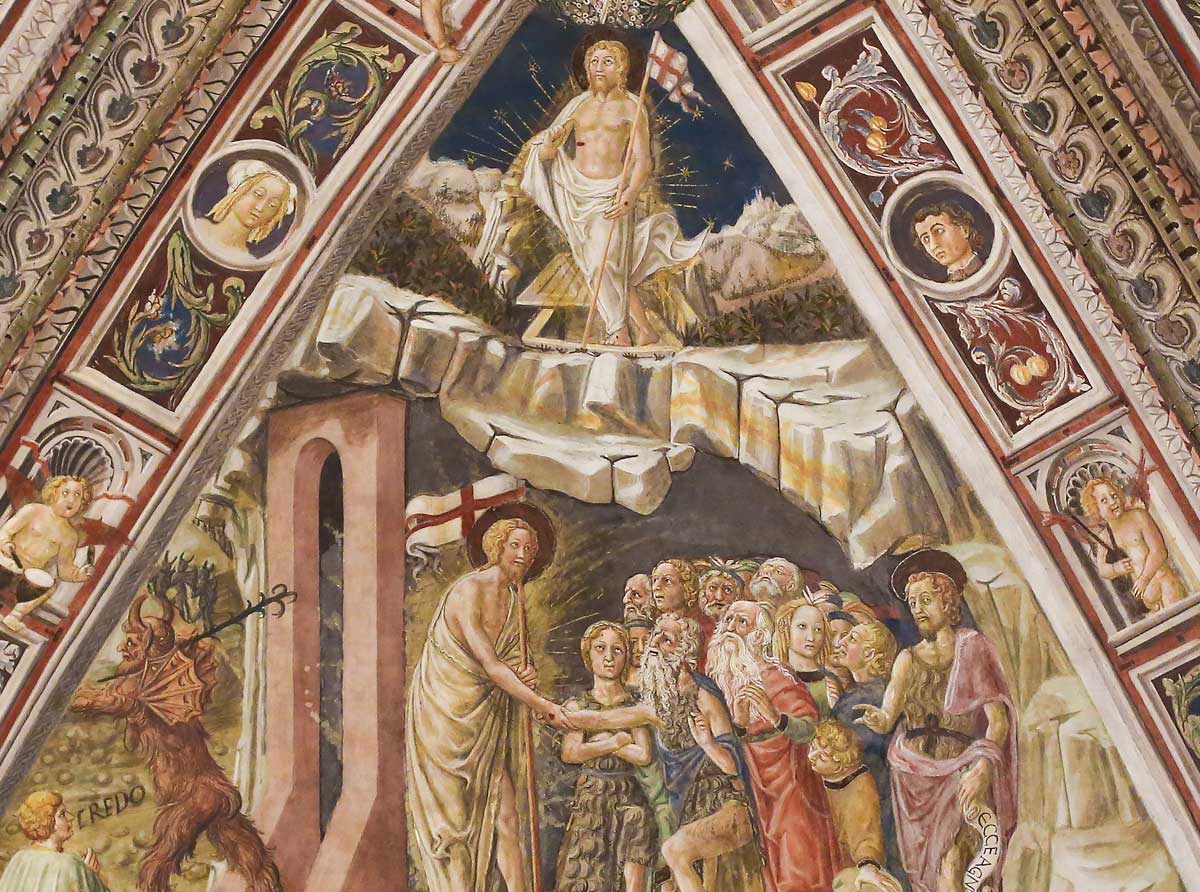
The Transformed Relics of the Fall
on the Fulfillment of History in Christ by Patrick Henry Reardon
31.6—November/December 2018
The Slow Vindication of Leon Podles by S. M. Hutchens

calling all readers
Please Donate
"There are magazines worth reading but few worth saving . . . Touchstone is just such a magazine."
—Alice von Hildebrand
"Here we do not concede one square millimeter of territory to falsehood, folly, contemporary sentimentality, or fashion. We speak the truth, and let God be our judge. . . . Touchstone is the one committedly Christian conservative journal."
—Anthony Esolen, Touchstone senior editor
